.jpg)
What Is ROI in Healthcare? How to Measure Marketing Performance and Drive Growth
Read More


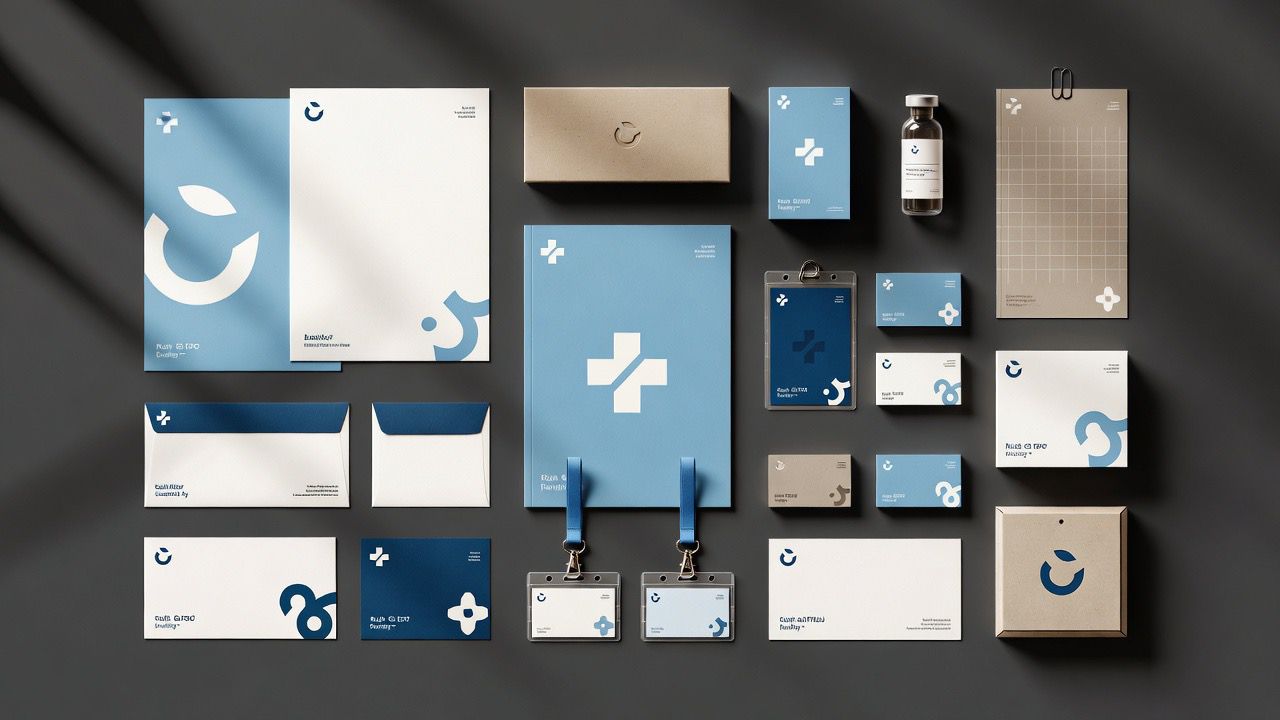


In today’s competitive healthcare environment, branding extends far beyond logos, fonts, or color palettes. Patients are making deeply personal decisions about their care, and they are increasingly drawn to providers who project trust, credibility, and consistency at every point of interaction. This is where medical branding becomes a strategic asset, not a cosmetic exercise.
A strong healthcare brand communicates who you are, how you care, and what patients can expect before they ever step into your practice. It influences perception, builds emotional connection, and plays a direct role in patient loyalty and long-term growth. This article explores what medical branding truly means, how to create a cohesive healthcare brand identity, and why thoughtful branding is essential for modern providers.
At its core, medical branding is the intentional shaping of how patients experience and perceive a healthcare organization. It encompasses visual identity, tone of voice, messaging, values, and the consistency of those elements across digital and in-person touchpoints.
Unlike consumer brands, healthcare brands must balance professionalism with empathy. Patients are not just evaluating services; they are assessing whether they feel safe, understood, and respected. Effective branding in healthcare communicates reliability and compassion without overpromising or appearing transactional.
This holistic approach applies equally to hospitals, specialty clinics, and private practices. Whether large or small, every healthcare organization has a brand either intentionally designed or formed by default through patient experience.
A strong healthcare brand identity provides clarity and reassurance. It answers fundamental patient questions: Can I trust this provider? Are they credible? Do they understand my needs?
Brand identity includes visual elements such as logos and color systems, but it also extends to messaging, tone, and behavior. Consistent language on a website, thoughtful appointment communications, and a calm, professional in-office environment all reinforce brand perception.
When identity elements align, patients experience a sense of familiarity and confidence. When they don’t, trust erodes. In healthcare, where decisions are emotionally charged, consistency is critical.
For independent providers, medical practice branding is often the difference between blending in and standing out. Many practices offer similar services, but branding determines how those services are perceived.
Effective practice branding focuses on:
Strong branding helps practices attract the right patients: those who resonate with the provider’s approach and expectations, leading to better engagement and retention over time.
The branding of hospitals and large healthcare systems presents unique challenges. Multiple departments, locations, and specialties must operate under a unified identity while still addressing diverse patient needs.
Successful hospital branding strategies emphasize:
When branding is executed well, it creates a sense of cohesion and reliability, even within complex systems. Patients feel confident navigating care because the brand experience feels familiar at every step.
In modern healthcare, branding lives largely in digital spaces. Websites, search results, social media, email communications, and patient portals are often the first and most frequent interactions patients have with a provider.
Branding in healthcare marketing ensures that these touchpoints feel intentional rather than fragmented. Visual consistency, clear messaging, and a unified tone across platforms help reinforce trust before a patient ever schedules an appointment.
This alignment is especially important in competitive markets, where patients compare providers side by side. A strong brand identity can influence choice even before clinical factors come into play.
As organizations grow, maintaining consistency becomes more challenging. This is where healthcare brand guidelines play a critical role. Brand guidelines document how visual elements, messaging, and tone should be used across all channels and teams.
Effective guidelines typically include:
Clear guidelines protect brand integrity, reduce confusion, and ensure that marketing teams, vendors, and internal stakeholders communicate with one voice.

The most effective healthcare branding strategies focus on long-term relationships rather than short-term visibility. Branding should reinforce trust at every stage of the patient journey from initial research to follow-up care.
High-performing strategies often include:
These strategies support not only patient acquisition but also retention, referrals, and reputation management.
While branding is sometimes viewed as intangible, its impact on growth is measurable. A clear, consistent brand increases recognition, improves engagement, and strengthens loyalty. Over time, this leads to higher patient lifetime value and more sustainable growth.
In healthcare, branding also supports operational clarity. Teams aligned around a shared identity and purpose deliver more consistent experiences, reinforcing trust internally and externally.
Healthcare branding must always remain ethical and patient-focused. Claims should be accurate, messaging should be respectful, and imagery should reflect diversity and inclusivity. Trust is earned through transparency, consistency, and care, not exaggeration.
Organizations that approach branding thoughtfully create identities that stand the test of time, adapt to digital evolution, and maintain credibility in a regulated environment.
Effective medical branding is not about standing out for the sake of attention, it’s about creating a clear, trustworthy identity that patients recognize and rely on. By aligning visual identity, messaging, and experience, healthcare organizations can strengthen relationships and support long-term growth.
If you’re ready to refine or build a healthcare brand that reflects your values and resonates with patients, you can connect with North Vista Marketing to explore a branding strategy tailored to your organization’s goals. A cohesive brand is one of the most powerful tools for building trust in today’s healthcare landscape.
Enter your email to unlock this article and every post on our blog.
Back to all articles.jpg)